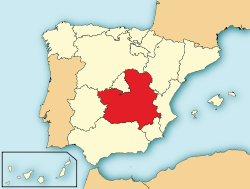
As the quality of Spainish wines continues to rise, so does consumption in the United States. From their clean crisp white wines in the northwest to their amazingly value packed sparkling wines, called Cava, in the northeast - the region is producing some well received wines. The country has shed its stinky shoe reputation that plagued the nation in the 1980's and is quickly becoming a major player on the retail shelves in the United States. Wine lovers are drifting from the traditional regions like Rioja and Ribera del Duero and are looking for exciting new values from DO's (wine regions) in the heart of Spain like La Mancha, Jumilla and Manchuela.
These regions in the heart of Spain just a decade or two ago were believed to be the barbecue stain on the nations clean white shirt. La Mancha, for example, received a bad wrap in the 1980's because they had a problem controlling and producing quality juice. The problems started in the vineyard and stuck with the juice all the way to the bottle. In the vineyard growers were harvesting their fruit too late. They let the grapes pass ideal ripeness which resulted in unbalanced grapes to make wine from.
In the winery their facilities were unclean and they couldn't control fermentation (the process of converting grapes in to wine). This resulted in the stinky shoe aroma that unfortunately became their calling card. With a little help from technology they are now able to control the temperature resulting in fresher, brighter, more flavorful wines.
Bright flavors and fresher wines aren't the only La Mancha qualities enticing Americans, the price is an important factor too. Wines from popular regions like Rioja, Ribera del Duero, and Priorat can be expensive. One of the many reasons for this is the use of oak. Rioja, Ribera del Duero, and Priorat use a lot of oak either to cater to the market demand or by law, and oak is expensive. A standard Barrique Bordeaux wine barrel can hold 59 gallons of wine and will make roughly 300 bottles or 25 cases. If you made this size of barrel from Limousin French Oak and applied medium toast (literally burning the inside) to it you would be looking at paying up to $1000 or more per barrel. That's an extra $40 per case, just for oak.
Regions like La Mancha are producing a style of wine that has less oak influence, if any at all. The producers from the region put more emphasis on fruit and freshness than depth and complexion. Because the prices of La Mancha wines are a fraction of those from Priorat if the region does use oak they must come up with clever ways to impart the flavor while trying to maintain a budget. Some examples of their creativity include stainless steel barrels lined with oak staves. This way a winemaker can choose how much oak they want to use and how much surface area they desire without having to pay the price for an entire barrel. In addition to submerging oak staves in to a stainless steel vessel some producers use oak chips or saw dust filled tea bags. Again, helping them impart oak flavor without having to pay for the barrel.
Beyond new winemaking techniques the wine prices from the region remain low because it produces a lot of juice, and I mean a lot. With only 300 wineries La Mancha accounts for almost 40 percent of all the wine produced in Spain. With that much juice they literally flood the market each year with low priced wines.
Now, before you go out and buy every La Mancha wine you can get your hands here are two things you need to know. Buy with caution. There is just as much, if not more, poor quality juice being produced as their is good. When buying a bottle of wine from La Mancha ask your sales rep, store clerk or sommelier about the wine before purchasing. Most of the time the juice is good and that's why it made its way on to the shelf or the list. But buying inexpensive wines to put on end caps or use as house wines can be appealing to some retailers and restaurateurs, so be advised.
Second, La Mancha wines aren't meant to age. The region is hot so the grapes get very ripe. This results in a fruit forward style that is high in alcohol. With only 3 or 4 years of age these wine lose fruit which heightens the alcohol perception. So stay away from anything with too much vintage depth (age). Instead go for the bright, young Tempranillos from the region. These wine display amazing fruit and character for the price. The region also produces quality single varietal and blended wines from red grapes like Garnacha, Merlot, Cabernet Sauvignon, and Syrah.
In terms of green grapes the region grows varieties like Airen (the most widely planted grape in the world accounting for over 30 percent of the grapes planted in Spain), Viura (also called Macabeo and is one of the grapes used in the production of Cava) and Chardonnay. White wines from the region can be a bit too alcoholic, so steer clear of lighter grape varieties like Sauvignon Blanc.
In short, there are some really exciting wines being produced in the region but buy with caution. Thanks to adventurous consumers the quality has gotten better but it still has a long way to go. The only way to encourage more consistency is to support the region and purchase the quality products. So get out there and drink, if for no other reason than to show the world wine market you support quality at a value. Who knows, maybe it will inspire quality production in places like Turkey or better yet some place domestic like Nevada (the two have a similar climate and are on similar latitudinal lines to La Mancha)? If La Mancha can do it, why can't Nevada? Go Rebs!
As always thanks for reading and if you liked this pass it along to a friend.
Salut,
Nicholas Barth
Nicholas Barth
Certified Sommelier
Wine Director


